
Peptide Cosmetics vs. Drugs in the UAE: Where Does the Line Fall?
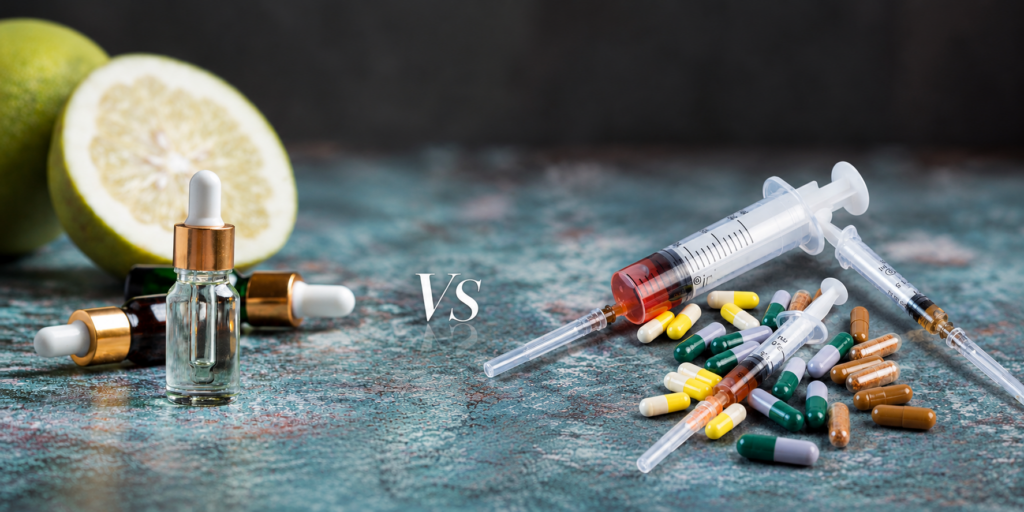
Peptide-based beauty and wellness products are one of the most commercially exciting and regulatorily complicated categories in the global skincare market right now. Products that contain biologically active peptides sit in a space where the science is sophisticated, the marketing language is powerful, and the line between what counts as a cosmetic and what counts as a drug or pharmaceutical product is thinner than most brands realise. In the UAE, getting that classification wrong carries real consequences: misclassified products are stopped at customs, pulled from shelves, or subjected to pharmaceutical registration requirements that can take months and cost significantly more than a standard cosmetic approval. This guide explains exactly how the UAE determines cosmetic vs drug classification, which factors matter most for peptide products specifically, and how to navigate the boundary confidently before your product reaches the Dubai Municipality Montaji portal or the Emirates Drug Establishment.
Why Cosmetic vs Drug Classification UAE Matters for Every Peptide Brand
Classification is not a labelling choice it is a legal determination. In the UAE, the pathway your product must follow Dubai Municipality for cosmetics, the Emirates Drug Establishment for pharmaceutical products is determined by what your product is, not what category you would prefer it to sit in. The two pathways have entirely different documentation requirements, timelines, costs, and ongoing compliance obligations.
A cosmetic registered through the Montaji system carries a five-year certificate, requires a Cosmetic Product Safety Report, and involves a relatively structured approval process. A pharmaceutical product registered through the EDE requires a full CTD/eCTD dossier, a licensed Marketing Authorisation Holder, a pharmacovigilance plan, and clinical safety and efficacy data, a process that can take six to twelve months and significant investment.
For peptide brands, the classification question is also the most commercially uncertain. Peptide actives are, by their nature, biologically active. Their mechanisms are well-documented in the scientific literature. The regulatory challenge is that what the peptide does in the lab and what you are allowed to say it does on your product label are not the same thing and it is the label and marketing claims that drive cosmetic classification in the UAE.
What Makes Something Cosmetic and What Makes It a Drug Under UAE Law?
The Legal Definition of a Cosmetic
Under UAE and Gulf regulatory standards, a cosmetic product is defined as any substance or mixture intended to be placed in contact with external parts of the human body skin, hair, nails, lips, external genital organs, teeth, and oral mucosa with the view to cleaning, perfuming, changing appearance, correcting body odour, or protecting and maintaining those parts in good condition. The defining characteristic is the boundary of effect: a cosmetic acts on the surface of the body and changes how it looks or feels. It does not alter physiological functions or treat medical conditions.
The Legal Definition of a Drug or Pharmaceutical Product
A drug or pharmaceutical product under UAE law is any substance or preparation presented as having properties for treating or preventing disease in humans, or that may restore, correct, or modify physiological functions by exerting a pharmacological, immunological, or metabolic action. Key terms include “treating,” “preventing,” “restoring,” “correcting,” and “modifying” physiology. Once one of these actions is claimed, then the product can no longer be classified as a cosmetic but rather a drug, despite the type of packaging used or location where it is sold.
The ‘Cosmeceutical’ Trap
The term “cosmeceutical” is widely used in the beauty and dermatology industries to describe products that sit between cosmetics and drugs. It is not a legal category in the UAE. There is no cosmeceutical registration pathway, no cosmeceutical exemption, and no middle ground between cosmetic and pharmaceutical for regulatory purposes. A product that is marketed as a cosmeceutical will be assessed by Dubai Municipality and the EDE using the same four-factor cosmetic classification test that applies to every other product and it will be classified as either a cosmetic or a pharmaceutical. Brands that use the word cosmeceutical to describe their peptide products should be aware that the word signals bioactivity in a way that can attract enhanced scrutiny during the review process.
UAE-specific note: The EDE offers a formal product classification service for brands uncertain about which pathway applies. You can submit your product’s composition, intended use, design, and proposed claims to the EDE for a formal classification determination before investing in a full dossier. For peptide products with genuine borderline characteristics, this service is worth using a confirmed cosmetic classification from the EDE provides regulatory certainty that protects your submission from challenge later.
The Four Factors UAE Regulators Use to Classify Peptide Products
The UAE’s cosmetic classification assessment considers four product characteristics together. No single factor alone determines the outcome; the overall profile of the product is assessed.
1. Composition: What Active Ingredients Are Present
The identity and concentration of your peptide activities matters for classification. Familiar peptides used in cosmetics such as Palmitoyl Pentapeptide-4 (Matrixyl) and Acetyl Hexapeptide-8 (Argireline) are known by the regulator and will not necessarily lead to the classification of the product as a drug. On the other hand, new peptides with no documented record of use in cosmetics, peptides in quantities greater than those in cosmetics, and peptides whose mode of action is pharmacologically based will lead the regulator to ask for further information.
2.Intended Use: The Purpose of the Product
Intended use is defined by the objective of the manufacturer, the targeted consumer, and the setting of the product’s sales. A peptide serum sold in a beauty retailer and positioned for anti-ageing skincare has a clear cosmetic intended use. The same peptide formulation sold in a clinic, described as a post-procedure skin treatment, or positioned as part of a medical protocol has an intended use that moves closer to the pharmaceutical category even if the formulation is identical.
3. Claims: What You Say About the Product
Claims are the most consequential factor in UAE cosmetic classification for peptide products, because they are the most visible signal to regulators and the most controllable by the brand. The governing standard is GSO 2528:2024, the Gulf Technical Regulation on Cosmetic and Personal Care Product Claims, which sets out what cosmetic brands may and may not say about their products. A cosmetic claim describes a visible or sensory outcome at the surface of the skin. A pharmaceutical or therapeutic claim describes a biological, physiological, or medical mechanism or outcome.
4. Presentation and Design: How the Product Looks
Packaging, dosage form, and presentation convey usage for regulatory purposes. Peptide serum presented in an ordinary skin care bottle, with beauty-oriented labeling, is seen as a cosmetic. The same product, presented in clinical-looking vials, with plain packaging and instructions, and with terms such as “treatment protocols” and “clinical results” used in its description, is seen as a drug. Online communications are considered in conjunction with the label by UAE authorities.
Peptide by Peptide: Cosmetic Claims vs Drug Claims Under UAE Cosmetic Classification
The following table shows how specific claims for the most widely used cosmetic peptides fall on either side of the UAE classification line. The cosmetic column describes the outcome at the level of appearance. The drug column describes the biological mechanism and crosses the line:
| Peptide Active | ✓ Cosmetic Claim (Dubai Municipality) | ✗ Drug/Pharmaceutical Claim (EDE) |
|---|---|---|
| Palmitoyl Pentapeptide-4 (Matrixyl) | Visibly reduces the appearance of fine lines and wrinkles. Skin looks firmer | Stimulates collagen and elastin synthesis. Rebuilds the extracellular matrix. |
| Acetyl Hexapeptide-8 (Argireline) | Reduces the appearance of expression lines. Helps skin look smoother where facial muscles move. | Inhibits acetylcholine release. Relaxes facial muscles. Works like Botox. Neuro-inhibiting. |
| Copper Tripeptide-1 (GHK-Cu) | Supports the appearance of skin renewal and firmness. Skin looks revitalised. | Regenerates damaged skin. Heals wounds. Activates skin stem cells. |
| Palmitoyl Tetrapeptide-7 | Soothes the appearance of reactive skin. Skin looks calmer and more even. | Reduces interleukin-6 production. Treats skin inflammation. |
| SYN-AKE | Visibly softens the appearance of expression wrinkles. Skin looks relaxed. | Blocks neuromuscular transmission. Acts as a topical Botox alternative. |
The mechanism problem: Peptide science publications routinely describe the mechanism of cosmetic peptides in pharmacological terms Argireline inhibits neurotransmitter release; GHK-Cu activates wound-healing cascades. Brands that lift language directly from white papers or ingredient supplier data sheets into their marketing copy often accidentally introduce drug claims. Your copywriters and digital marketing team need to understand the cosmetic classification boundary as clearly as your regulatory team does. A claim that appears in an Instagram caption or a website FAQ can affect your product’s classification status.
What Happens When a Peptide Product Is Misclassified in the UAE?
Misclassification has real-world consequences at every stage of the product lifecycle:
- At customs: A product submitted for import that carries claims or packaging characteristics suggesting pharmaceutical intent may be flagged by customs for MOHAP or EDE review, resulting in a hold or rejection of the shipment
- At Dubai Municipality registration: If the CPSS reviewers during Montaji cosmetic registration determine that a product makes pharmaceutical-level claims, the application is rejected and the product is referred for MOHAP classification. The registration fee is not refunded, and the applicant must start a new process through the pharmaceutical pathway
- Post-launch enforcement: Products already on shelves can be pulled if UAE market surveillance inspectors find that the product’s label or marketing claims exceed the cosmetic classification. The firm which places the product into the marketplace is subject to fines and possible restrictions on imports
- Online and Digital: UAE regulators track digital channels. Claims made on Instagram, a brand website, or distributor platforms that exceed the cosmetic boundary can trigger enforcement even when the physical label is compliant and the digital content is treated as part of the product’s presentation for classification purposes
How to Get a Formal Cosmetic Classification Decision in the UAE
For peptide products that sit close to the line between cosmetic and pharmaceutical, there are two approaches to securing regulatory certainty before investing in a full registration dossier:
- EDE formal classification: Submit your product’s composition, presentation, intended use, and proposed claims to the Emirates Drug Establishment. The EDE’s classification service returns a formal determination confirming whether your product is classified as a cosmetic or a pharmaceutical product under UAE law. This is the most authoritative and protective option for genuinely borderline products
- Pre-submission regulatory review: Work with a UAE regulatory consultant to conduct a pre-submission review of your formulation and claims before engaging any authority. A qualified review will identify whether any aspect of your product composition, packaging language, online claims carries pharmaceutical risk, and will recommend adjustments that keep the product within the cosmetic classification pathway
Both approaches are significantly less expensive than a misclassification whether that means a rejected Montaji application, a shipment held at customs, or a product recall from the Dubai market.
How Hawkridge Corp Helps Peptide Brands Navigate UAE Cosmetic Classification
At Hawkridge Corp, we specialise in helping cosmetic and skincare brands navigate the UAE’s classification framework particularly for products containing biologically active ingredients like peptides where the cosmetic vs drug classification question genuinely requires expert assessment.
We review your product’s formulation, packaging, proposed label claims, and digital marketing content against the UAE’s four-factor classification criteria before any registration application is prepared. Where a product sits in a genuine grey zone, we can facilitate a formal EDE classification submission and manage the process on your behalf. Where the product clearly qualifies as a cosmetic, we prepare and submit your full Montaji cosmetic registration dossier including claims review, CPSR coordination, Arabic label compliance, and query management throughout the Dubai Municipality CPSS review.
Whether you are bringing a new peptide serum to Dubai, expanding an existing cosmetic range with higher-activity activities, or reviewing a product line that has already attracted regulatory questions, Hawkridge Corp provides the classification expertise and the regulatory experience to keep your products on the right side of the line.
Final Thoughts
The boundary between peptide cosmetics and drugs in the UAE is not defined by which activities you use, it is defined by what you claim they do. The four-factor cosmetic classification assessment considers composition, intended use, claims, and presentation together, but for peptide brands, claims management is almost always the decisive factor. The same peptide formulation can be a legally registered cosmetic or an unregistered pharmaceutical product depending entirely on whether the language used to describe it stays at the level of appearance or crosses into physiological mechanisms. Getting the language right on the physical label, in online content, in distributor materials and seeking a formal EDE classification for genuinely borderline products are the two most important investments any peptide brand can make before entering the Dubai market.